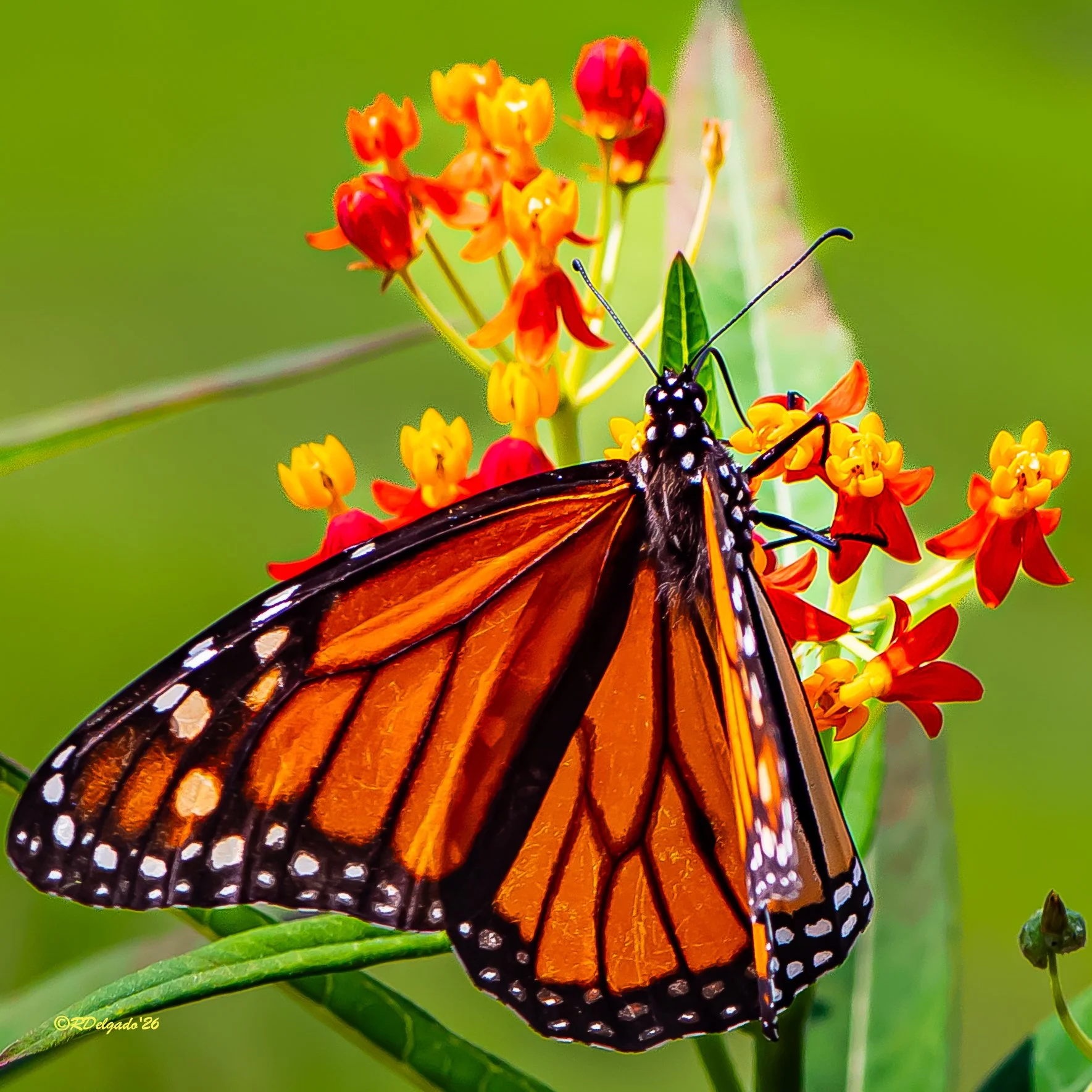
Welcome to The Monarch, our luxury “hotel” for butterflies. This pollinator garden was added to The Lorraine Cherry Nature Preserve on October 21, 2023. We wanted a place for Monarchs to stop over and recharge as they migrated. We also wanted a city refuge for our native butterflies as well as our native bee, wasp, and fly populations.
In the spring of 2026, we received a grant from Bring Back the Monarchs to Texas, and were able to refurbish the garden with the following plants that are attractive to Monarchs and other pollinators: Ageratum, Fragrant Mistflower, Frostweed, Gregg’s Mistflower, Gulf Vervain, Mealy Blue Sage, Panicled Aster, Shrubby Boneset, Texas Lantana, and a variety of local Milkweeds, including Butterflyweed, Green, Showy and Zyzotes.
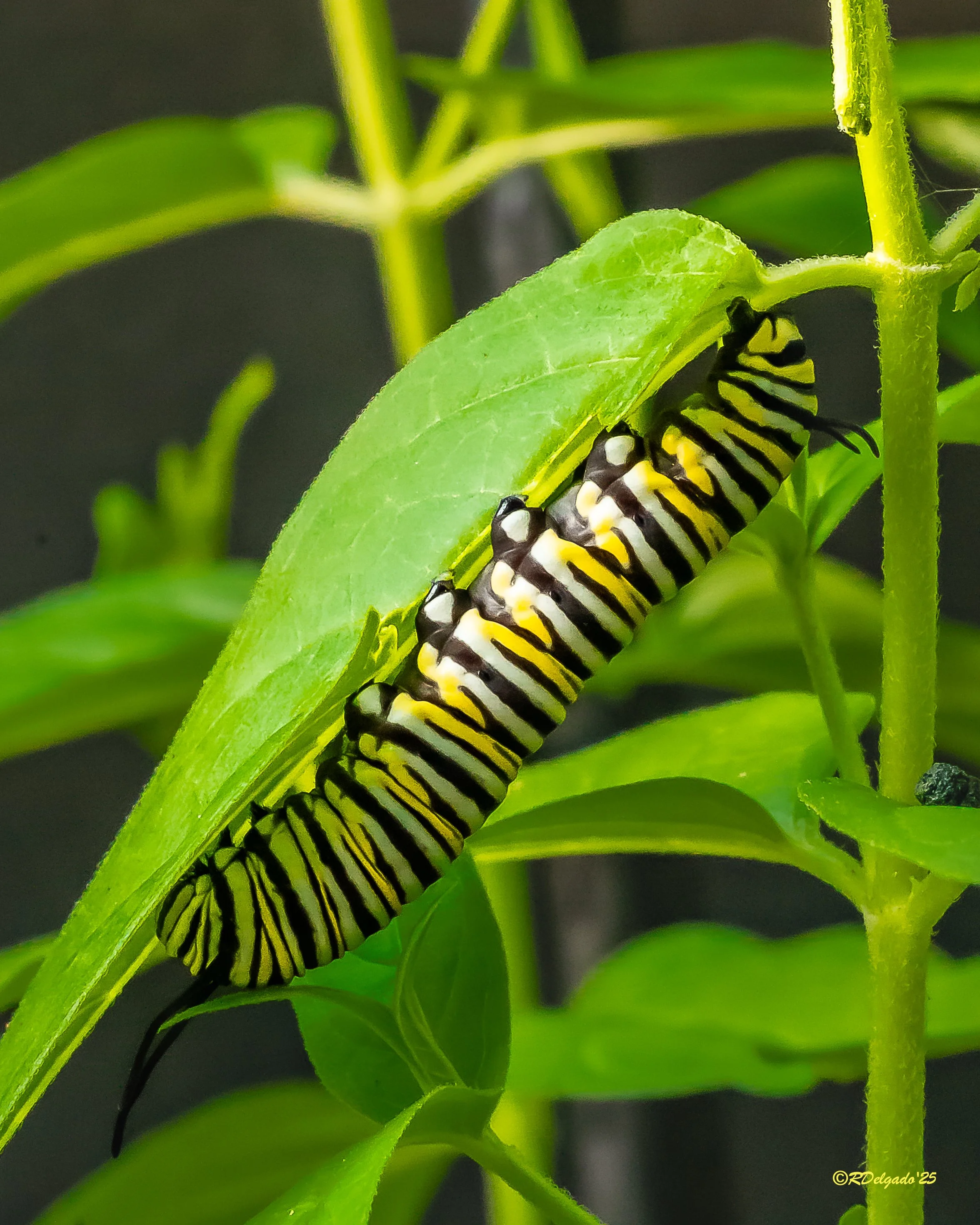
Monarch caterpillar on Milkweed.
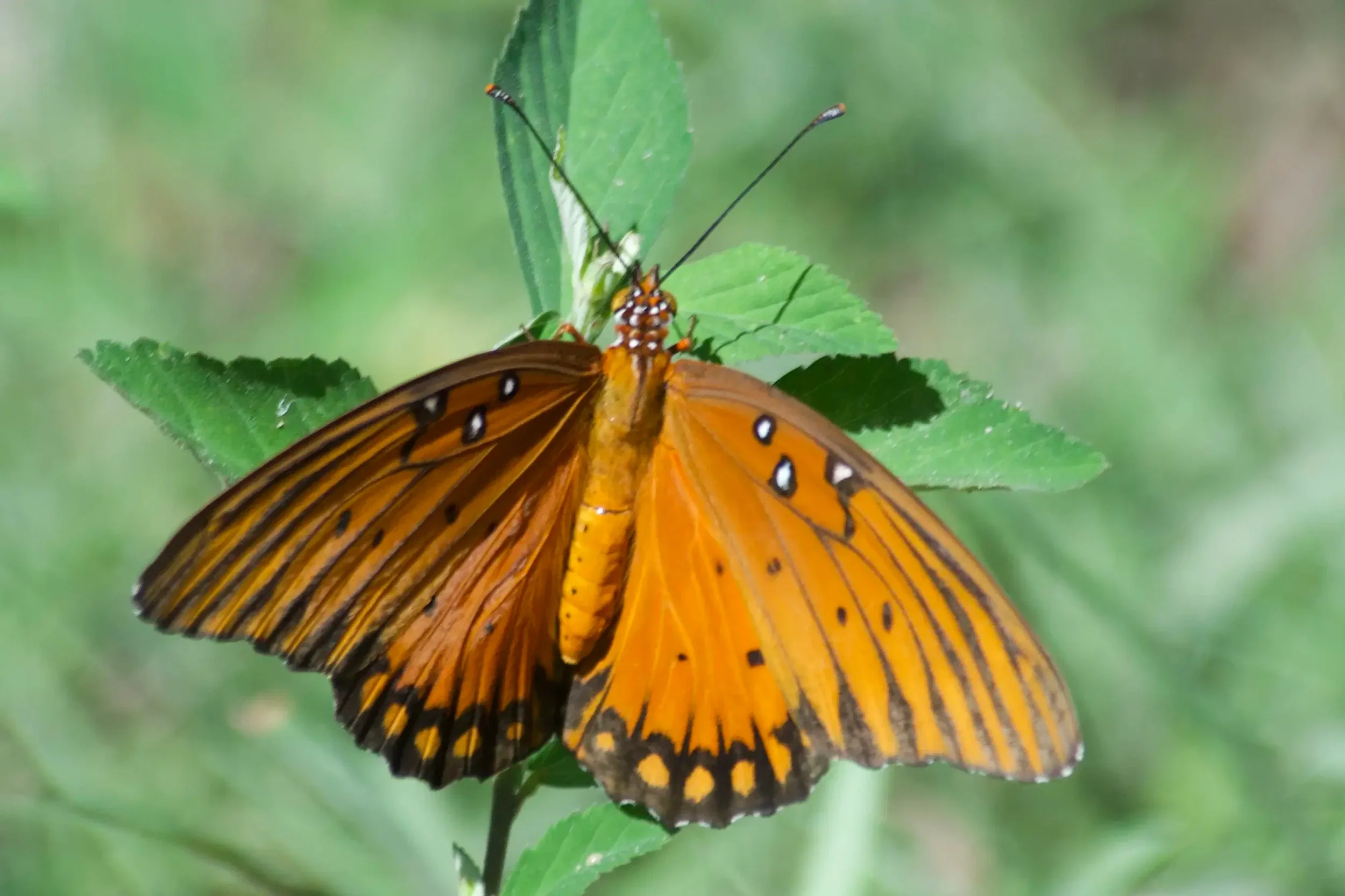
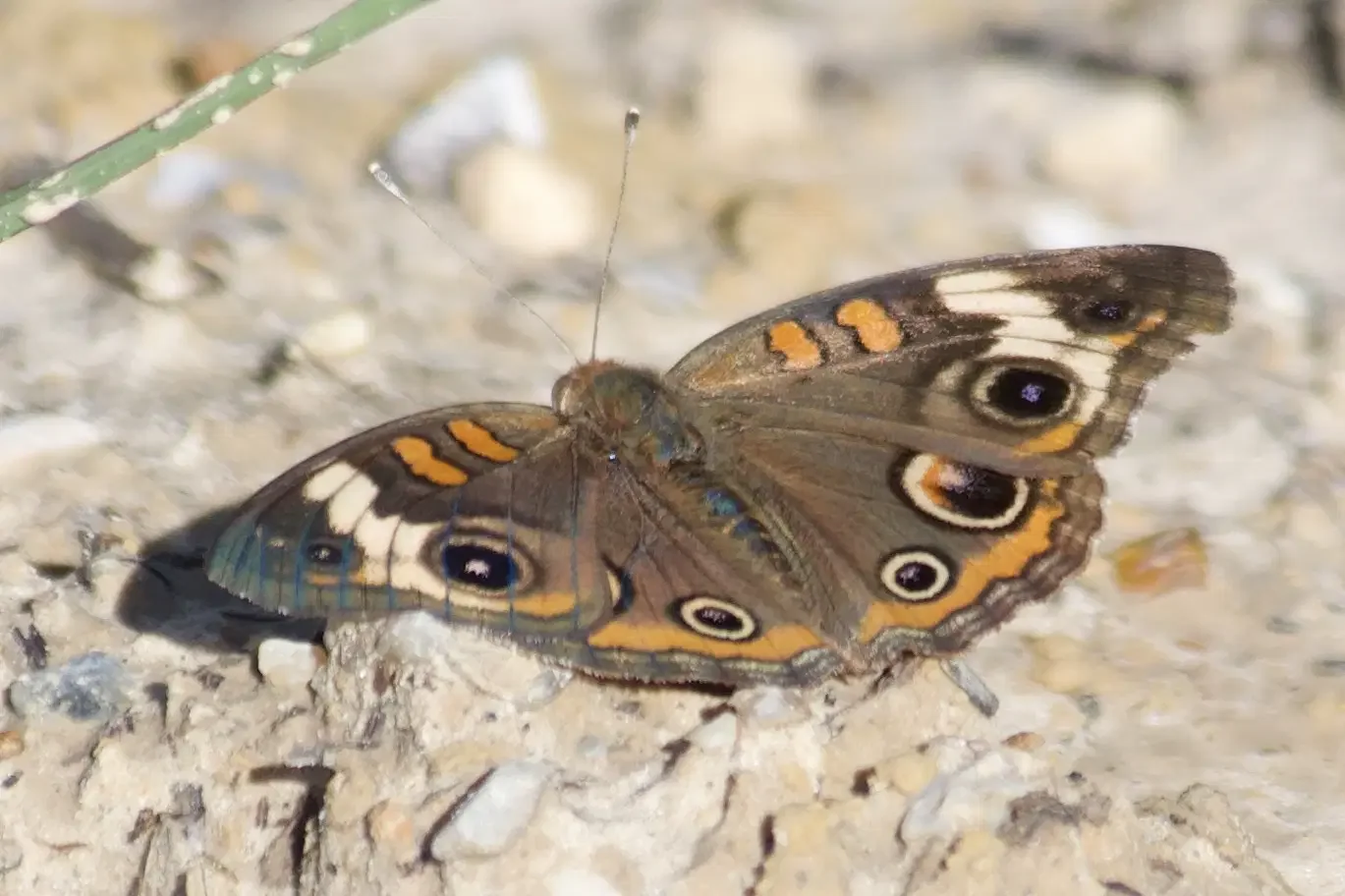
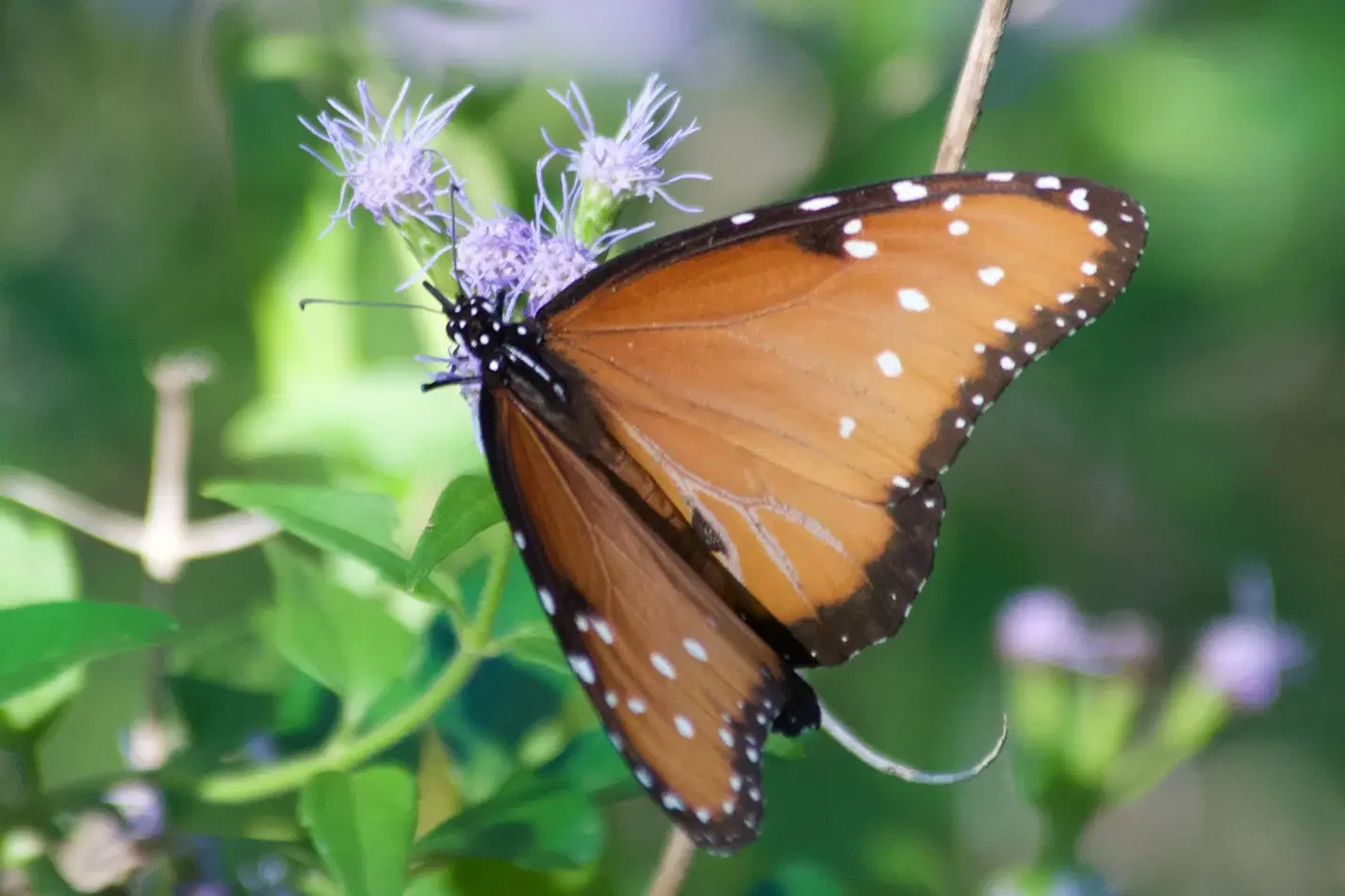
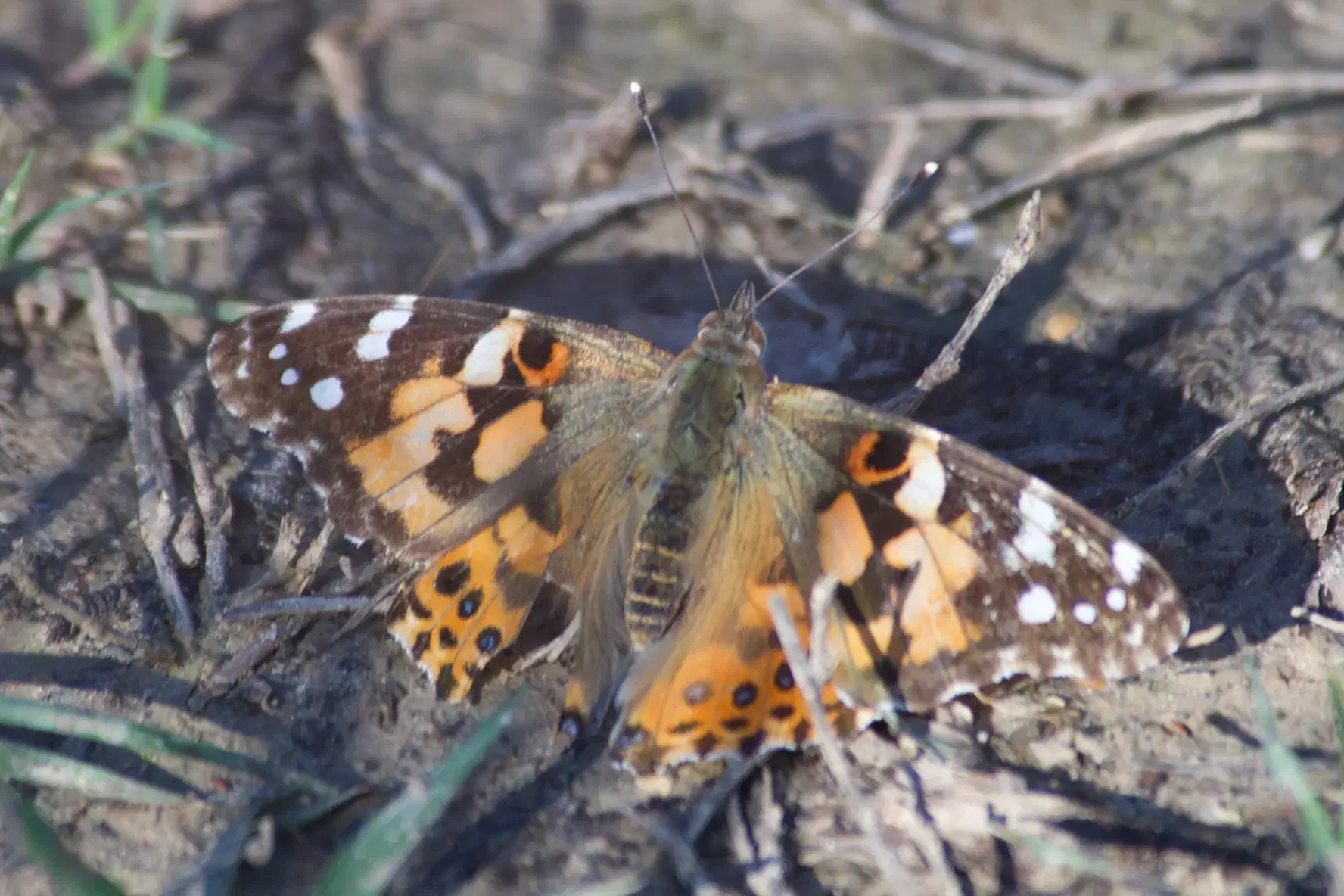
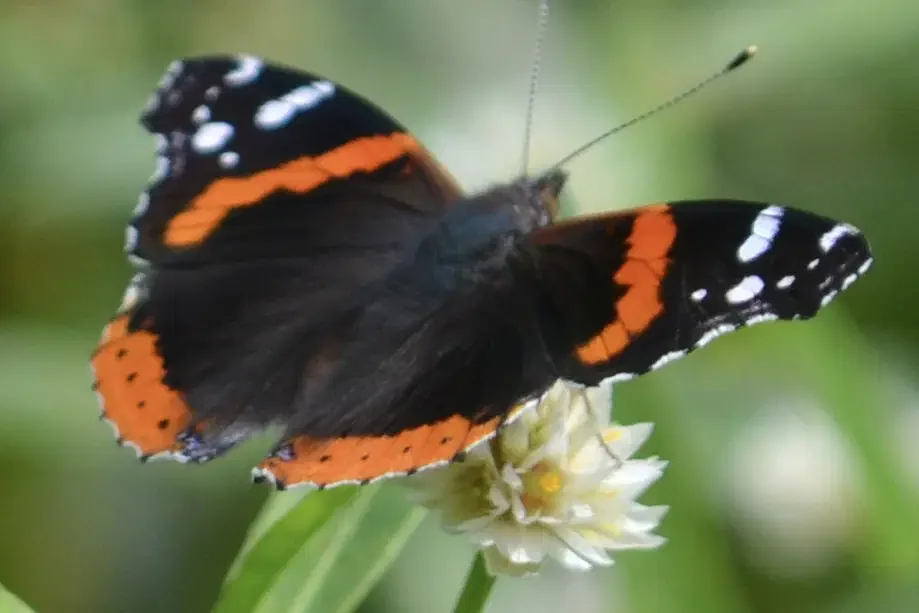
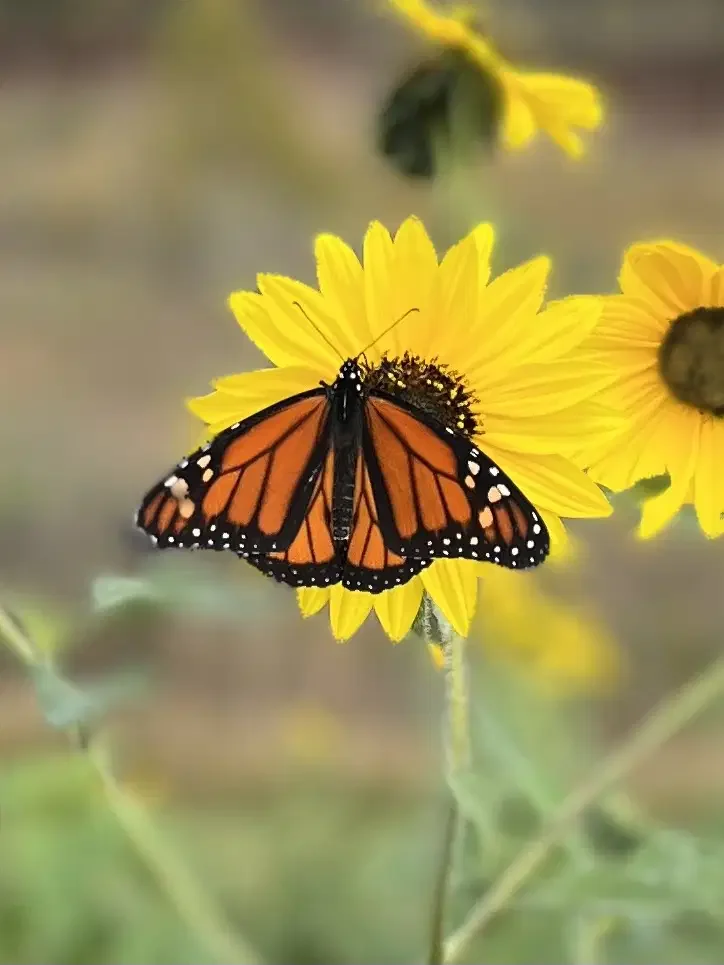
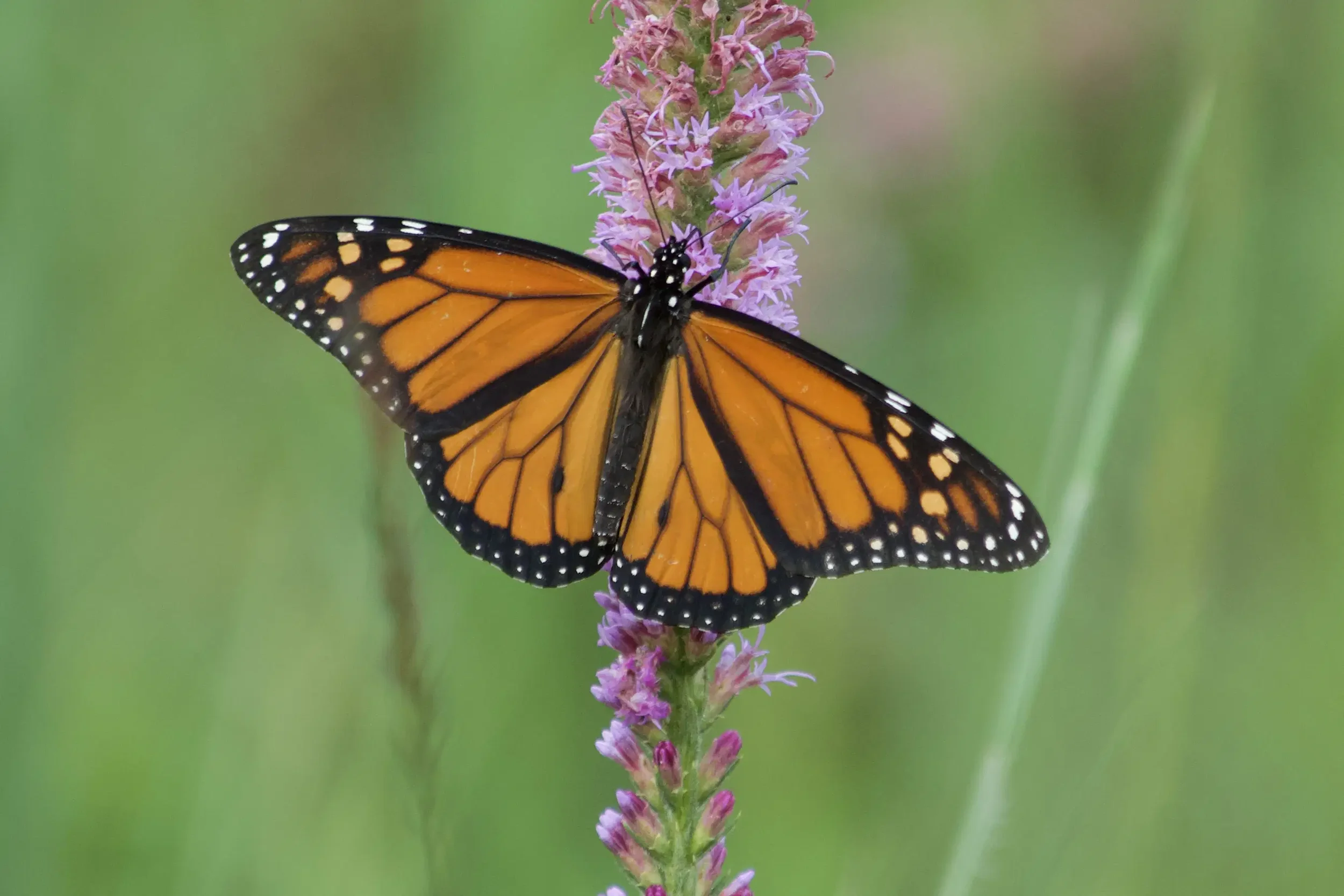
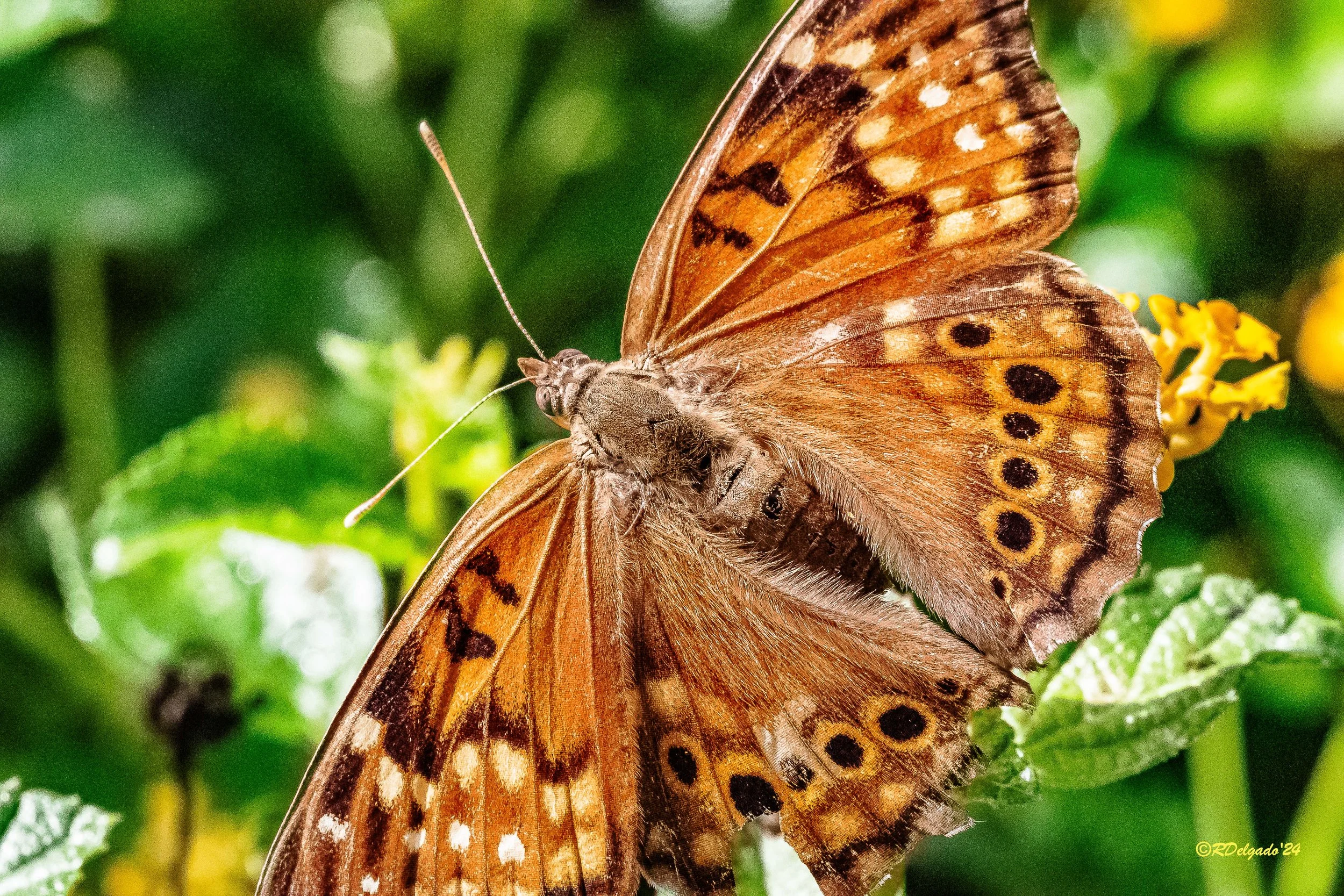
Our pollinator habitat beautifies the space, increases native biodiversity, increases pollination services and biological control of “pest” insects, and provides community engagement and learning opportunities. Like ours, pollinator gardens are often for smaller scale gardens in urban areas. We have endeavored to plant 40% milkweed plants and 60% nectar plants for the Monarchs. This is because milkweed is the sole host plant that serves Monarch caterpillars. We have also planted plants that will grow, bloom, and provide shelter for the Monarchs from early spring through late fall so that the plants are where the Monarchs need them when they need them most.
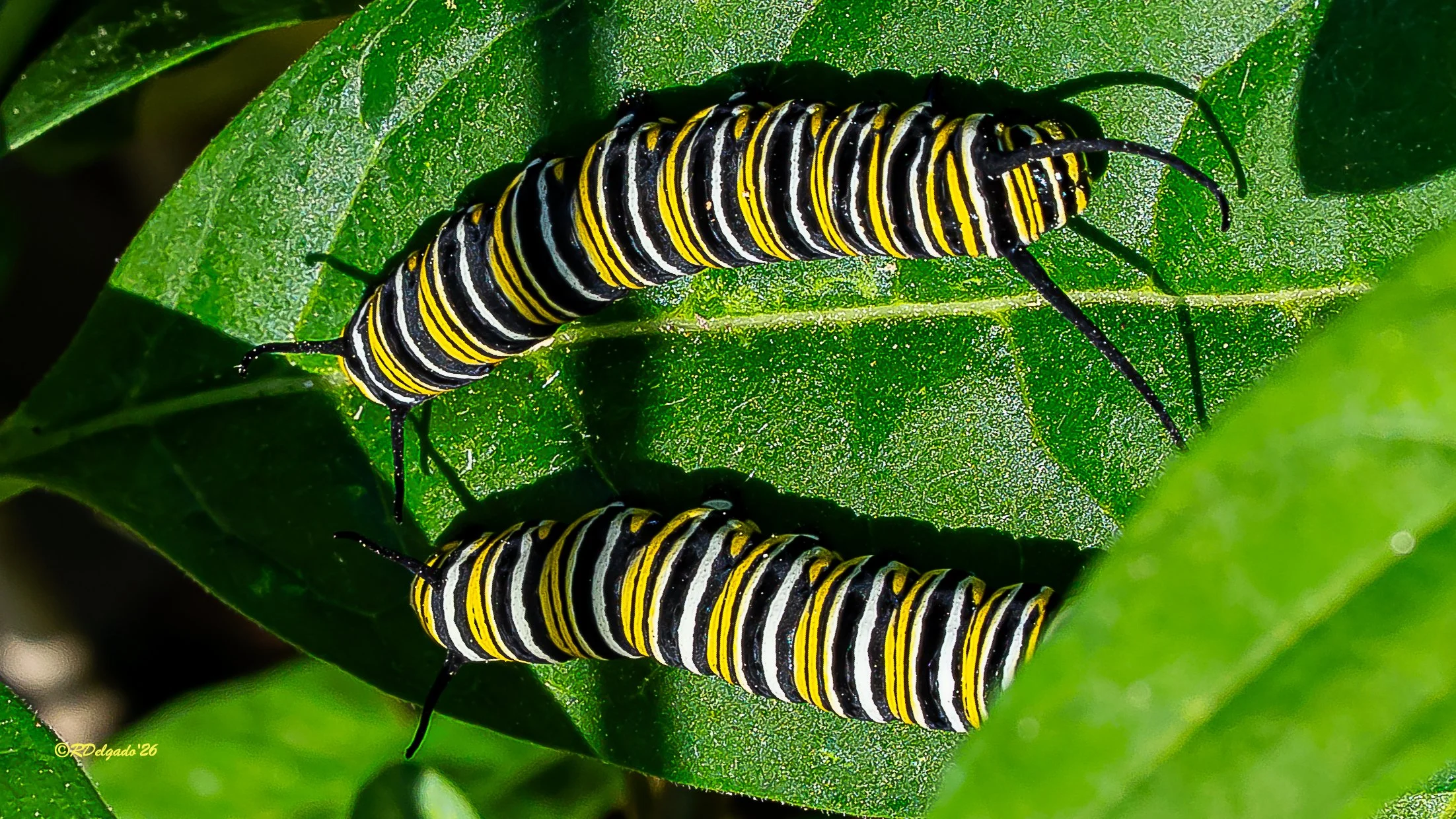
Two Monarch caterpillars on Milkweed at TLCNP. Photo by Robert Delgado,
Monarch butterflies use pyrrolizidine alkaloids (PAs) for defense against predators, to produce mating pheromones, and to combat parasites. While not strictly required for survival in the same way as milkweed, PAs are essential for the health, defense, and reproductive success of adult monarchs, which they forage from specific plants. Because of this, we planted the mist flowers, ageratum, and boneset. And, finally, when planting, we put the plants in patches because Monarchs need don't see all that well. The patches help them see the flowers so that they can nectar.
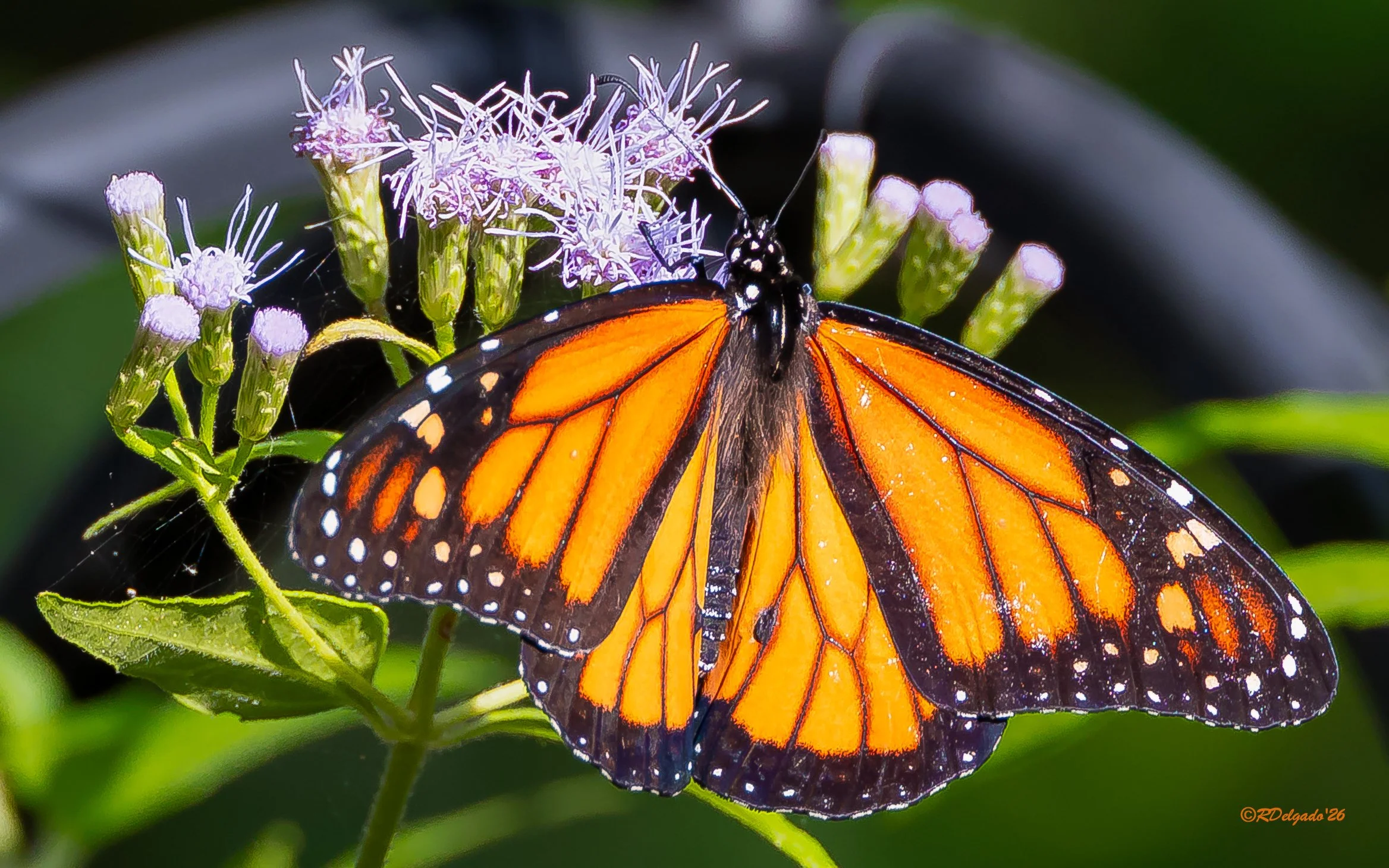
Monarch visits a Mistflower plant. Photo by Robert Delgado.
We have planted native plants as they are considered the best choice for many reasons. They are good sources of food, have an abundance of nectar, low maintenance, and generally pest free and drought tolerant. They shelter wildlife and are naturally beautiful. These valuable garden plants feed not only Monarchs, but they save butterflies in urban areas, can be adapted to fit in smaller gardens, and have many colorful variations.

Monarch at TLCNP. Photo by Robert Delgado.
The Nature Preserve is about so much more than our trees. It is a place of refuge in our busy urban environment for wildlife as well as people. Please be kind when you visit, realizing that you are a visitor to our urban animals’ homes. Please do not remove anything from the Nature Preserve, or move anything about within the preserve. Using our designated paths and trails preserves this thoughtfully created space for generations to come. Please stay on the paths (and keep your dogs on-leash and on the paths with you at all times) in an effort to foster more livable spaces for our plants and animals. It is only by working together to preserve our amazing piece of urban nature that we will have moments with flowers, trees, birds, butterflies, and our neighbors.
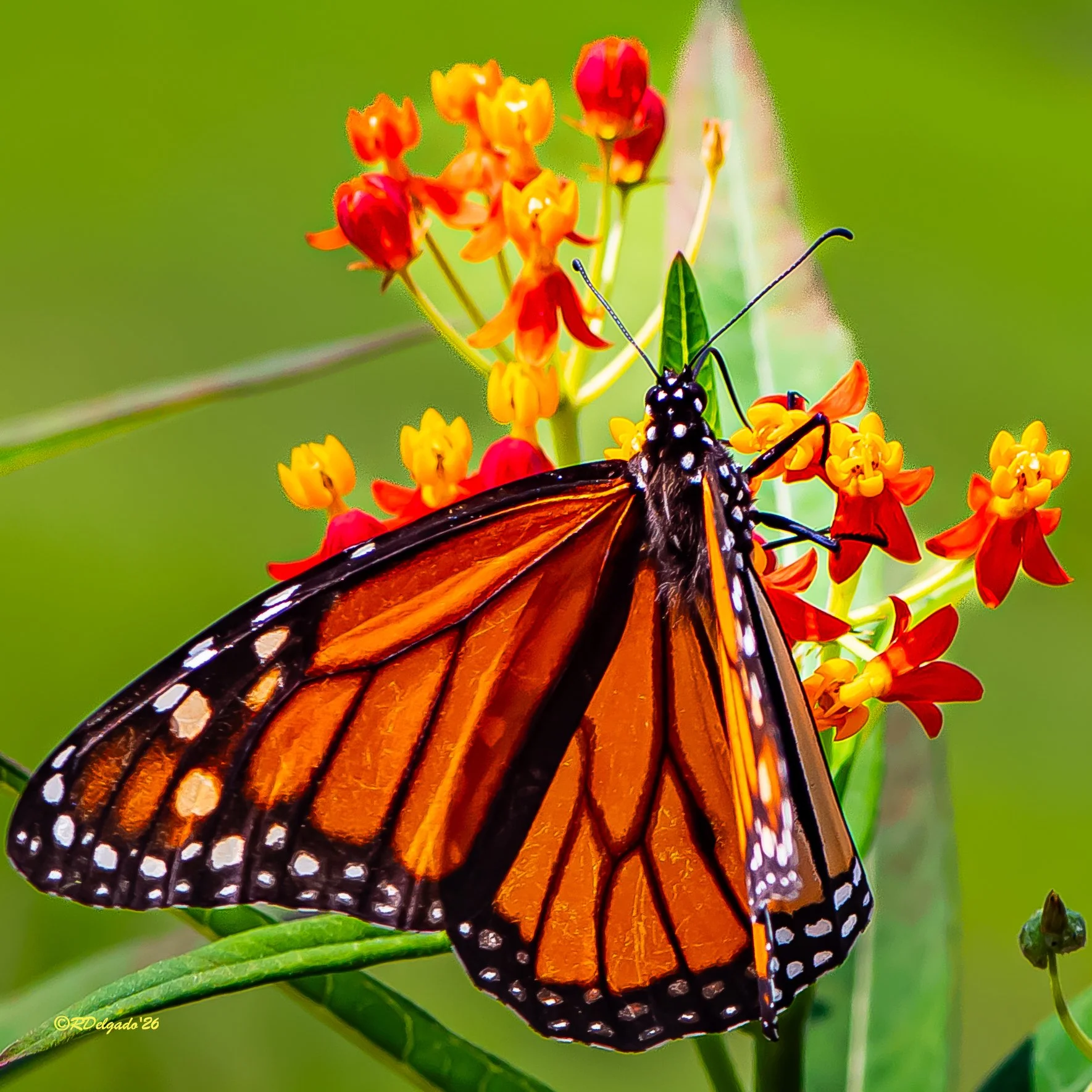
Monarch butterfly on Milkweed. Photo by Robert Delgado,