You are looking at our Inaugural Native Flower Patch, which happens to be a “No Mow Zone” from January until July. From January through June of each year, native flowers grow here. The flower seeds used to create this Native Flower Patch were first planted by the nearby community during a Flashlight Seed Fling on November 30, 2023. These flowers will not only grow here, they will create seeds for the next generation of the Native Flower Patch. When mowed in July, the mowers will naturally disperse the seeds and plant material around the patch and keep trees from growing in place of the flowers. Then, next year, the seeds will spring to life and begin growing to create more flowers.
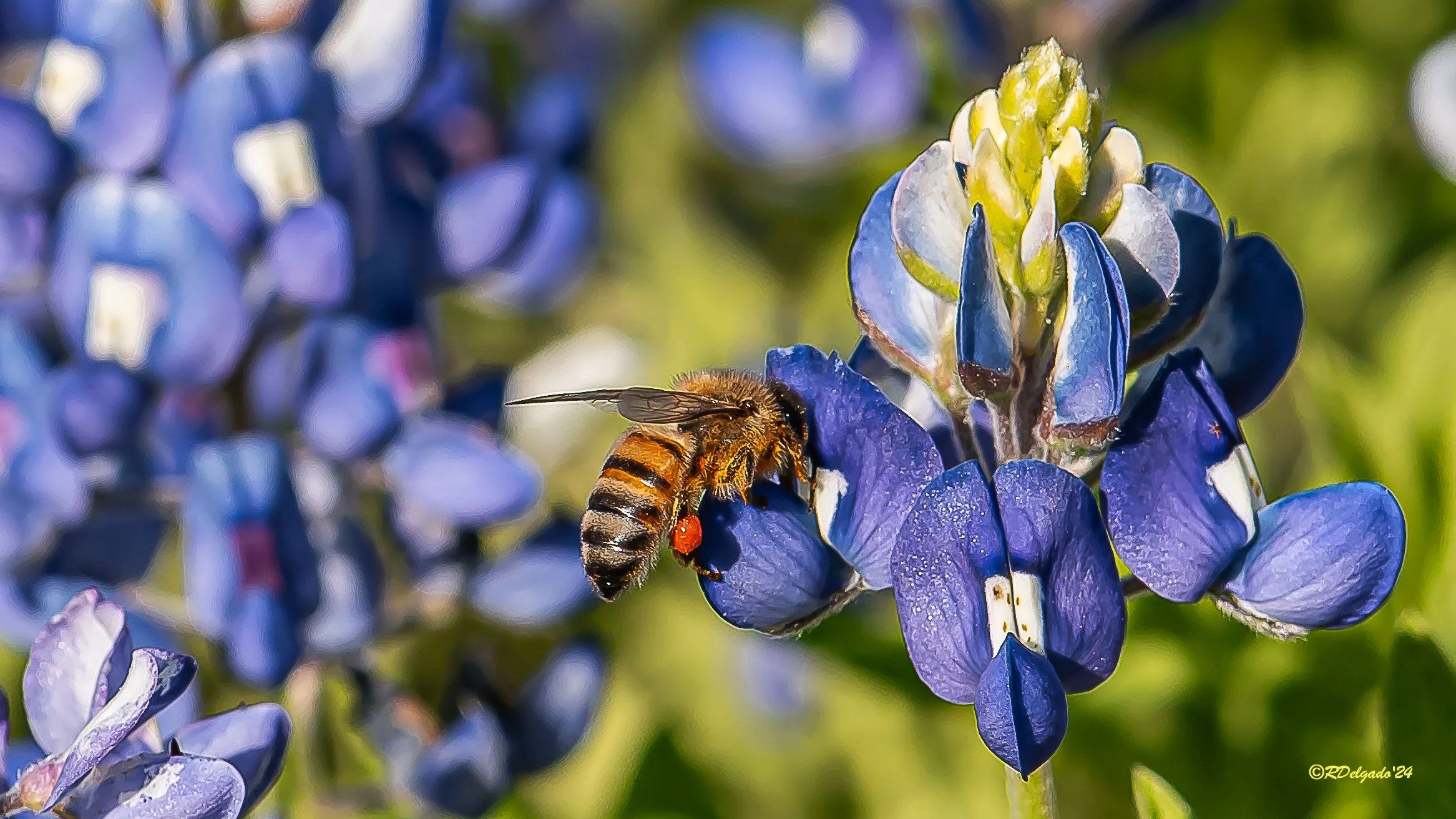
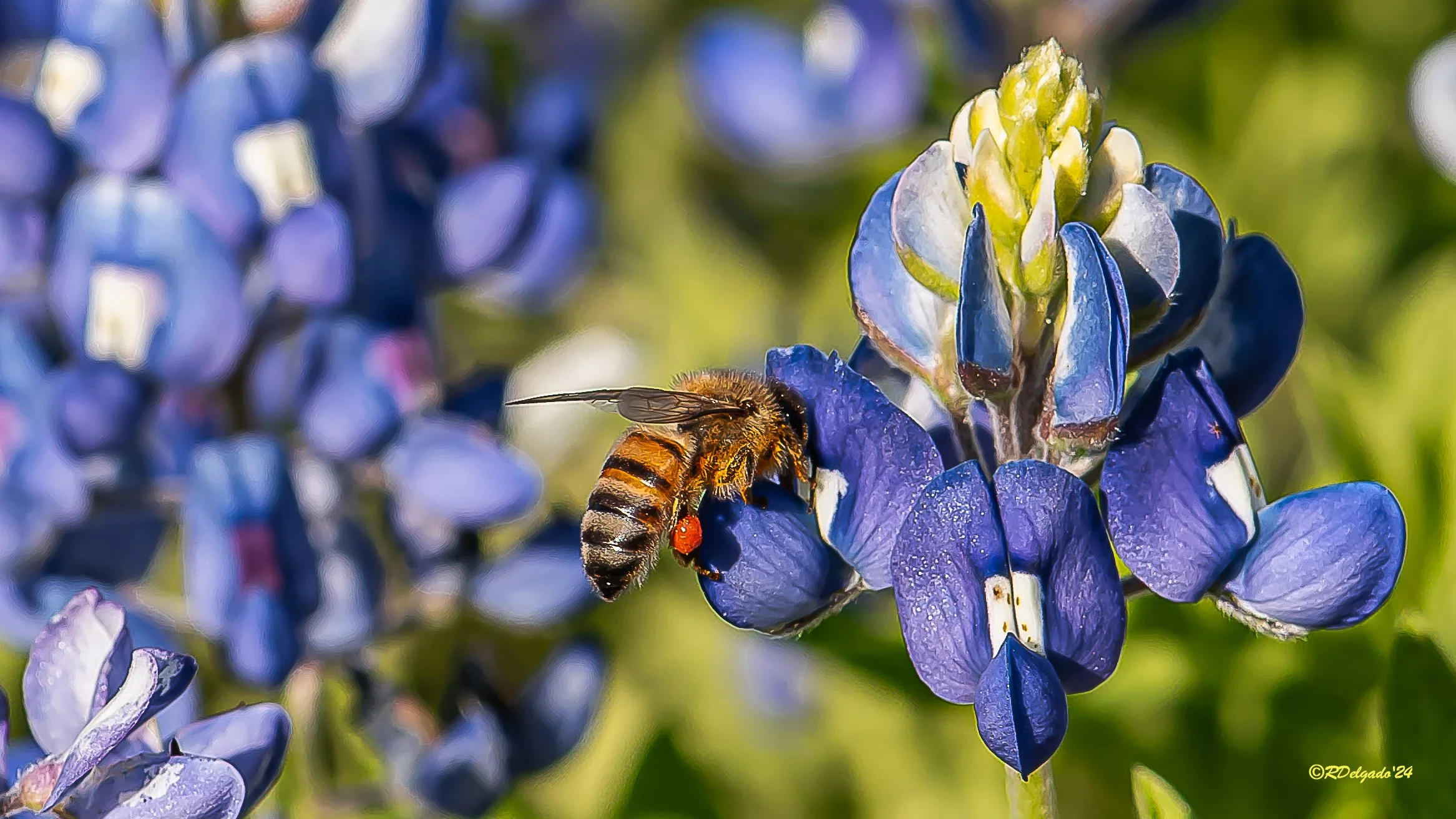
Honey bee on Texas Bluebonnet at TLCNP. Photo by Robert Delgado.
The flower seeds used to create this patch include: American Basket Flower, Annual Winecup, Blanket Flower, Black-eyed Susan, Blue Flax, Clasping Coneflower, Cutleaf Primrose, Drummond Red Phlox, Green Milkweed, Lemon Mint, Partridge Pea, Plains Coreopsis, Prairie Parsley, Showy Primrose, Standing Cypress, Texas Bluebonnet, Texas Paintbrush, and Upright Prairie Coneflower. Prior to planting, this area was already rich in Prairie Nymph, Chicory, and White Prairie Clover.
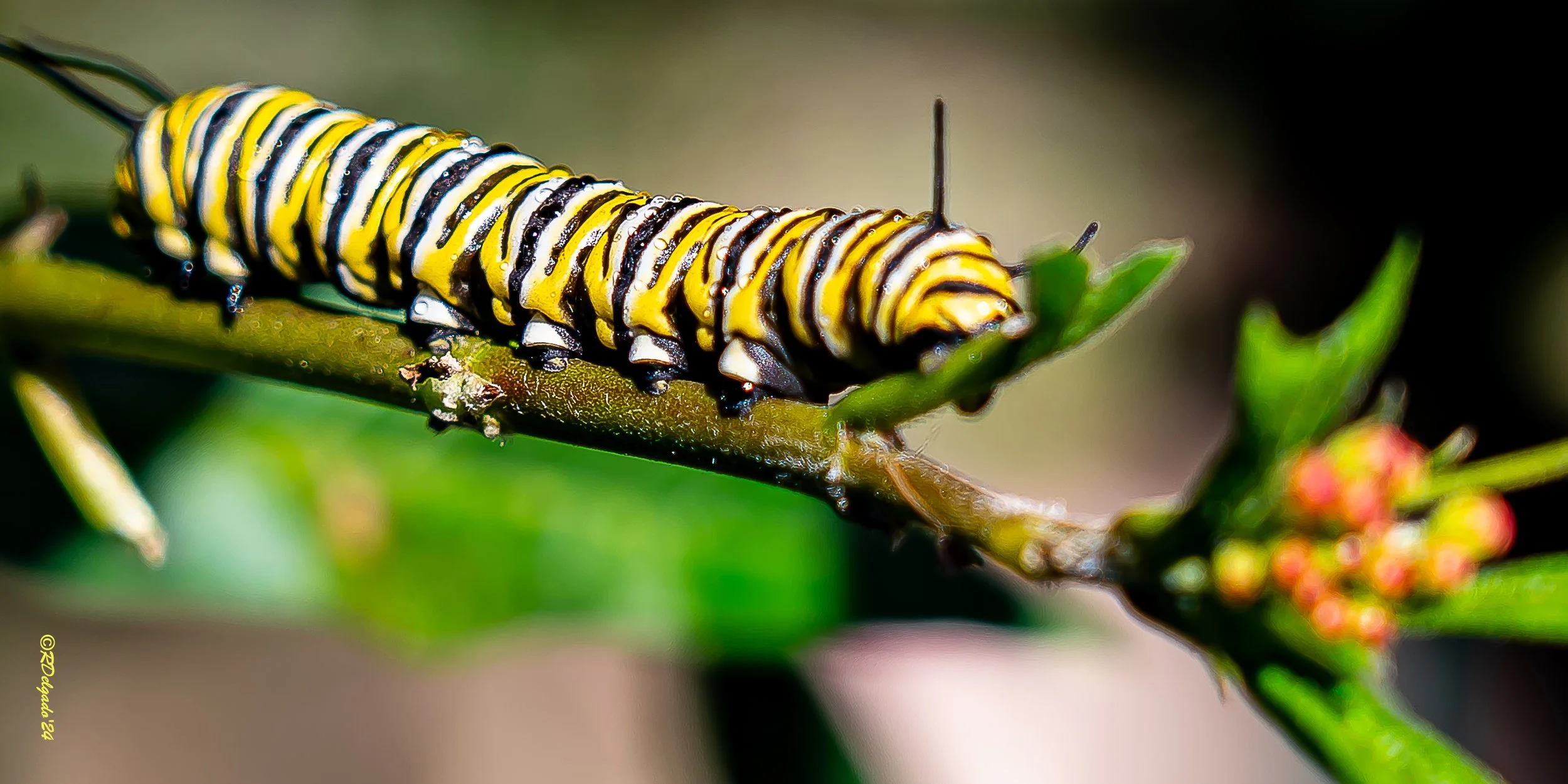
Monarch caterpillar on Milkweed. Photo by Robert Delgado.
We have two other native flower patches - one in the middle of the block on Wister, and one along nearly the whole south end between the trees and W 11th Street. Please take some time to walk along all of them. Near to the trees, we have forged a “path” to the side of all of the patches so that people can walk along side and take in the color of the flowers and take photos.
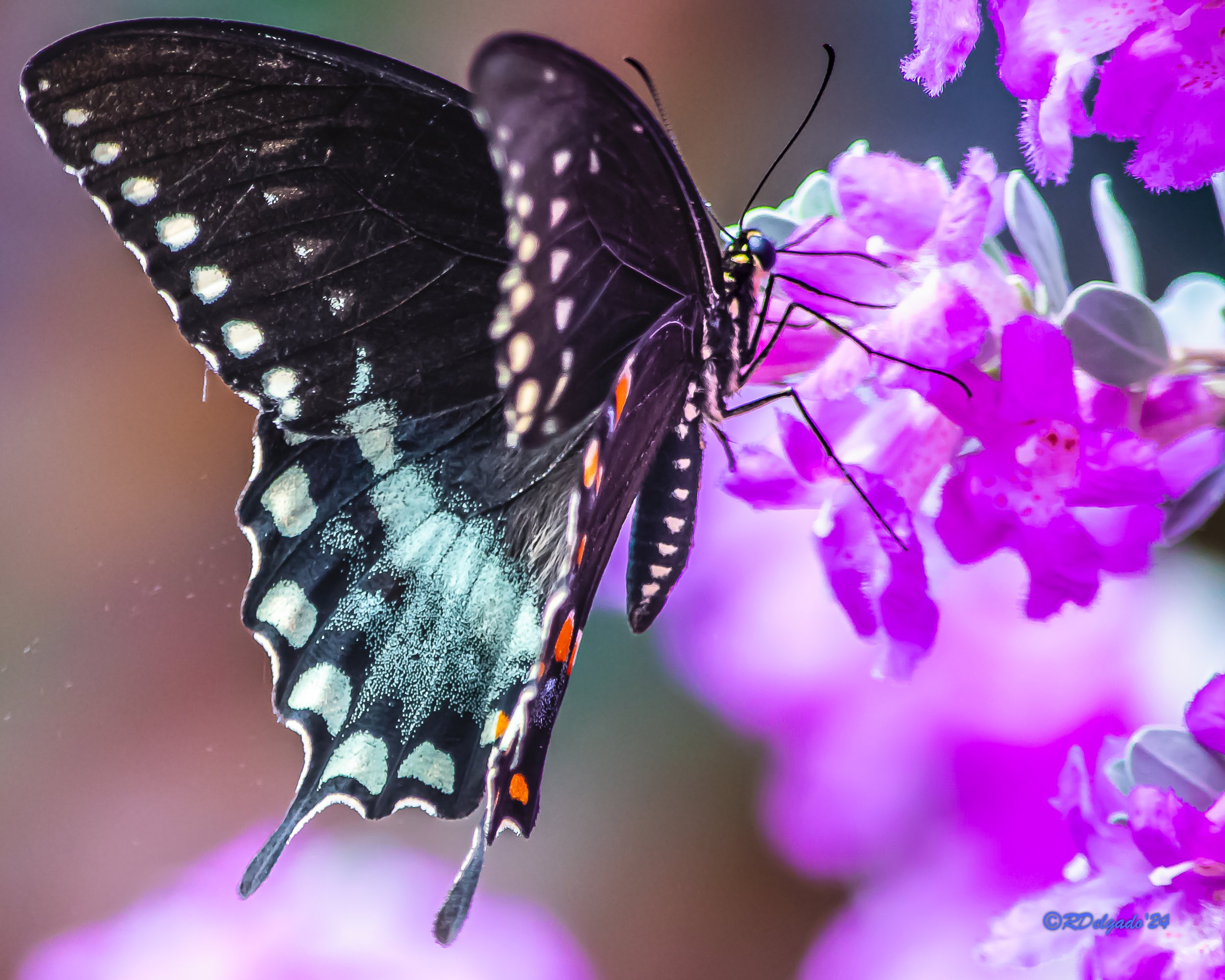
Pipevine Swallowtail at TLCNP. Photo by Robert Delgado.
There are many benefits of having this Native Flower Patch including providing nectar for birds, butterflies, and bees. It also provides native host plants for caterpillars, encouraging the growth of native species. As a bonus, a native flower patch reduces the cost of maintenance, labor, and water, not to mention that there will be fewer gas emissions from mowing.
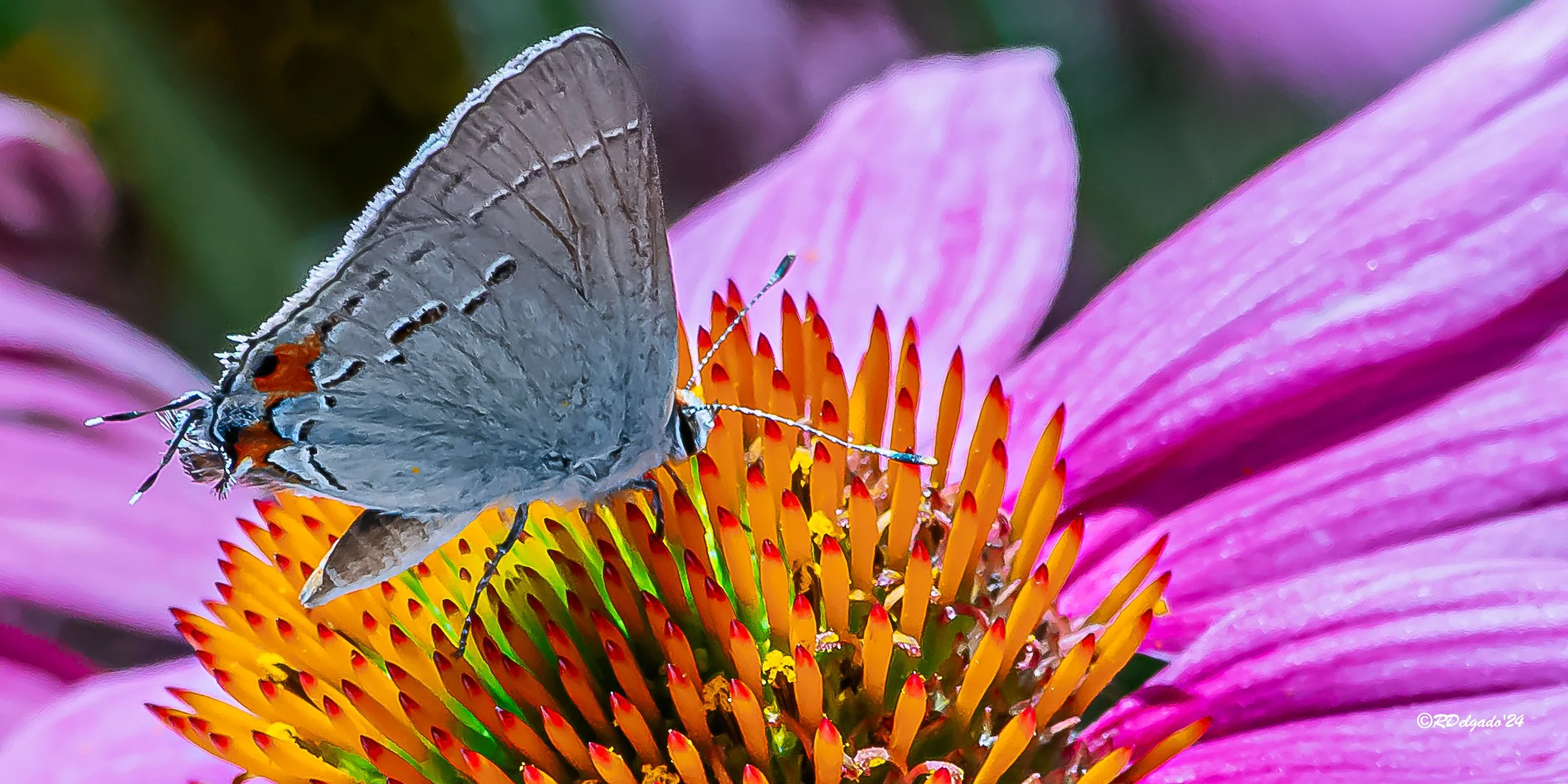
Grey hairstreak on Coneflower. Photo by Robert Delgado.
The Nature Preserve is about so much more than our trees. It is a place of refuge in our busy urban environment for wildlife as well as people. Please be kind when you visit, realizing that you are a visitor to our urban animal’s homes, and stay on the trails. Please do not remove anything from the Nature Preserve, or move anything about within the preserve.

Grasshopper photobomb of native flowers at TLCNP. Photo by Robert Delgado.